What Is Christian Allegory?
At its core, allegory is storytelling with two layers.
On the surface, you have the narrative: characters moving through a world, facing challenges and making choices.
Underneath that surface, the story represents deeper ideas.
In Christian allegory, these deeper meanings often explore things like:
the struggle between fear and faith
the tension between pride and humility
the search for truth and purpose
the battle between illusion and reality
the possibility of redemption
The power of allegory is that readers discover these meanings naturally. The story invites reflection rather than forcing a conclusion.
Famous Christian Allegory Books
Many of the most influential Christian stories in literature are allegorical in nature.
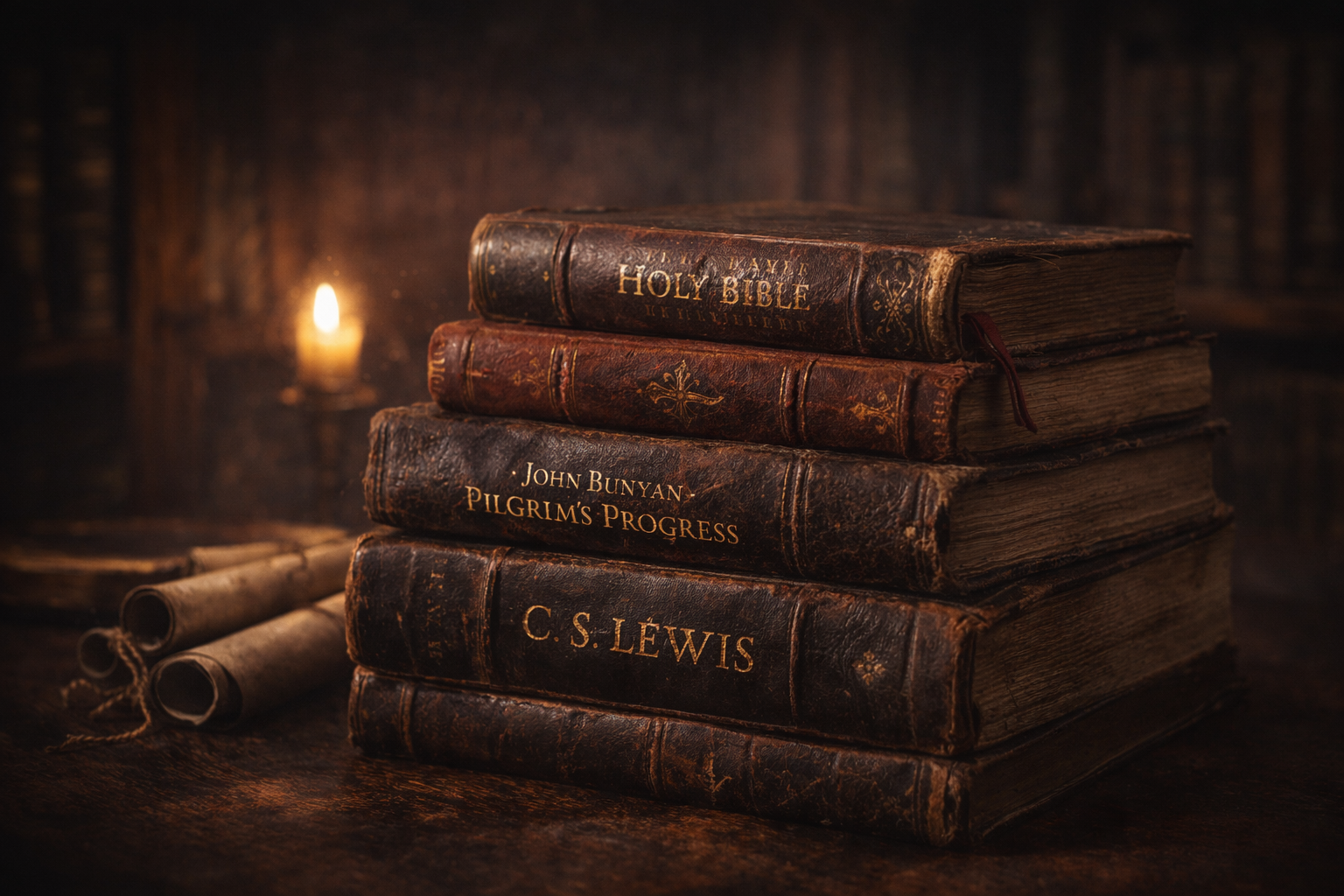
The Pilgrim’s Progress
John Bunyan’s The Pilgrim’s Progress, written in the 17th century, is one of the clearest examples of Christian allegory ever written. The main character, Christian, journeys from the City of Destruction toward the Celestial City, encountering symbolic characters and places along the way that represent the trials of spiritual life.
The Chronicles of Narnia
C. S. Lewis approached allegory more subtly in The Chronicles of Narnia. Through the world of Narnia and the character of Aslan, Lewis explores themes of sacrifice, redemption, courage, and the nature of divine love.
The Great Divorce
In The Great Divorce, Lewis imagines a symbolic journey between heaven and hell. The story examines how pride, fear, and attachment to illusion can prevent people from embracing transformation.
Each of these works shows how storytelling can illuminate spiritual ideas in ways that resonate across generations.
Allegory in a Modern Story
Christian allegory didn’t stop with the classics. Writers still use symbolic storytelling today to explore spiritual questions in ways that connect with modern readers.
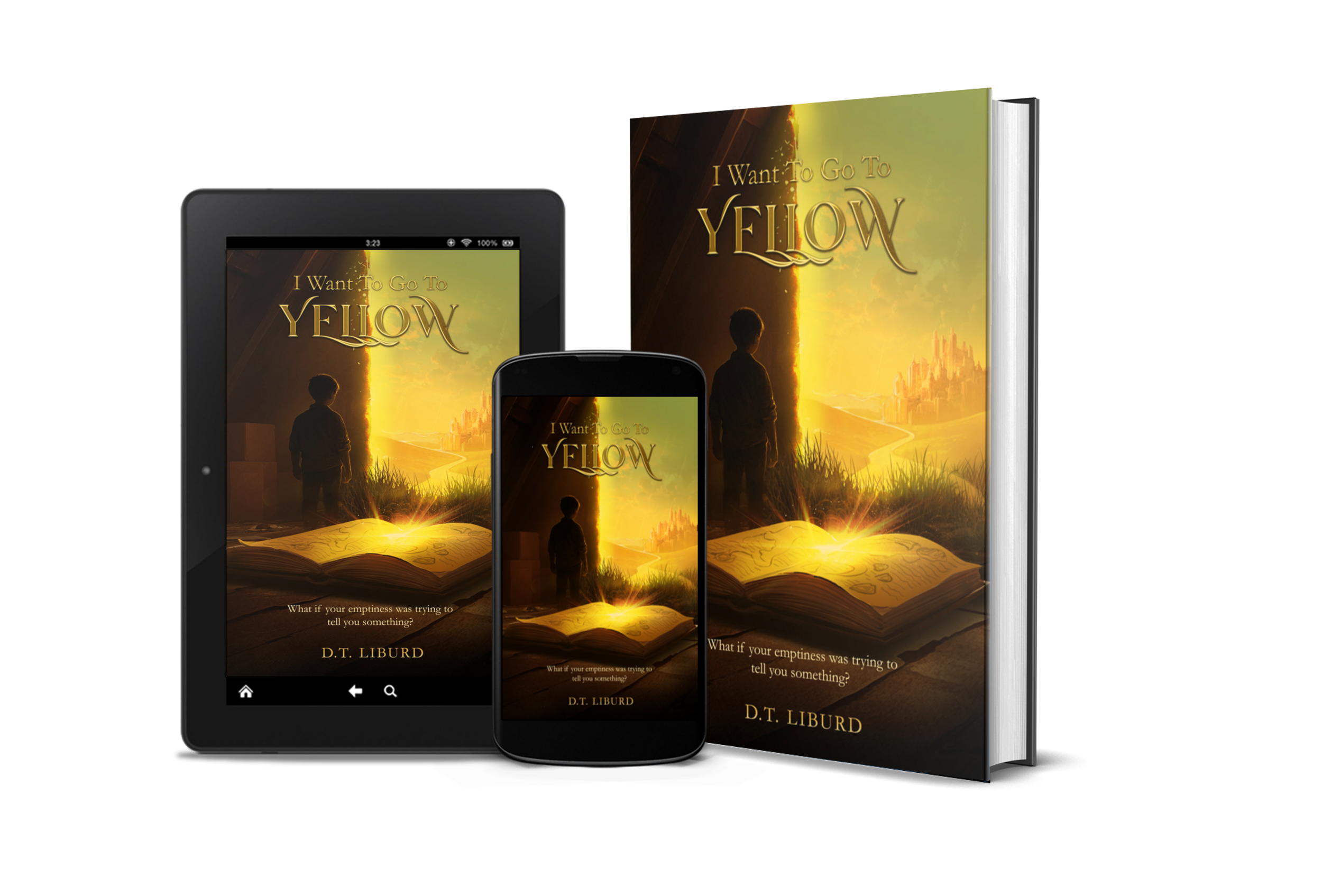
One example can be found in the novel I Want To Go To Yellow, which uses a symbolic world to explore deeper themes about fear, identity, truth, and faith.
Several elements in the story illustrate how allegory works in practice.
Yellow as a Symbol
In the story, Yellow represents divine presence, warmth, peace, and the source of true guidance. It is both a destination and a symbol of spiritual restoration.
Rather than presenting these ideas directly, the story invites the reader to experience the pull toward Yellow as part of the journey itself.
Fear as a Character
Fear appears not just as an emotion but as a powerful entity within the narrative. It represents the way fear can grow into something that controls belief, choices, and identity.
By turning fear into a character, the story makes an invisible struggle visible.
Malphas and the Distortion of Truth
The character Malphas manipulates reality and tempts others with power and illusion. Within the allegorical structure of the story, he represents the corruption of truth and the seductive nature of false promises.
Symbolic Locations
Many places in the story also carry symbolic meaning.
Adoria represents a society obsessed with validation and applause.
The Cave symbolises creative gifts that have been buried or forgotten.
The Praise Spell represents the addictive pull of recognition and approval.
Through these symbolic elements, the story explores themes that appear throughout many Christian allegories: temptation, identity, fear, faith, and redemption.
A Modern Allegorical Journey
Stories that use allegory often follow a character on a symbolic journey — one where ordinary events carry deeper meaning.
In that tradition, I Want To Go To Yellow explores questions of purpose, identity, and the search for meaning through a story that invites readers to look beyond the surface of everyday life.
Like many allegorical works, the story can be read simply as an adventure — but it also carries themes about faith, direction, and the choices that shape who we become.